
Beetroot
Dietary nitrate
Converted to nitrite and then nitric oxide — the molecule that relaxes and widens blood vessels. A single dose lowered systolic pressure for up to 24 hours in a randomised trial.
Refs. 1 & 2Turn each card to see what the evidence actually supports — then the seven foods that keep appearing in the research, with the study type behind each one.
Which is why it is measured rather than felt
How long a single dose of dietary nitrate lowered systolic pressure in a randomised trial
Adults followed for 14 years in the anthocyanin cohort
Six claims we hear constantly. The back of each card is what the published evidence supports — including where the popular version is closer to right than wrong.
Cut the salt and the problem is solved — everything else is detail.
Reducing sodium is one of the best-supported dietary levers, but potassium intake, alcohol, weight, activity and sleep all move the same numbers. Salt is the headline, not the whole page.
Headaches, flushing, a pounding chest — the body would tell you.
High blood pressure typically produces no symptoms at all until something serious happens. That is precisely why it is measured on a schedule rather than diagnosed by how you feel.
A home remedy with a nice colour and no data behind it.
Beetroot is rich in dietary nitrate, converted to nitrite and then nitric oxide — the molecule that relaxes and widens blood vessels. In a randomised trial, a single dose lowered systolic pressure for up to 24 hours. Refs. 1 & 2
Eat well enough and the prescription becomes unnecessary.
Food and food and drink are not substitutes for antihypertensive treatment, and stopping without supervision can be genuinely dangerous. If your readings improve, that is a conversation to have with your prescriber — who may well adjust things, on their terms.
Cholesterol on a plate — best avoided if your numbers are up.
Egg white proteins release peptides — ovokinin among them — that act on the same ACE pathway targeted by common blood pressure medication, documented across animal and human work. Ref. 5
Cuff on, number down, done.
Blood pressure moves through the day and reacts to posture, caffeine, stress and the walk to the chair. Clinicians look at repeated readings over time, taken properly — which is why the log matters more than any one measurement.
Compound, mechanism and the type of study behind it. A cohort shows association; a randomised trial shows effect. Both are here, labelled.
Dietary nitrate
Converted to nitrite and then nitric oxide — the molecule that relaxes and widens blood vessels. A single dose lowered systolic pressure for up to 24 hours in a randomised trial.
Refs. 1 & 2
Resveratrol · flavan-3-ols
Polyphenols linked to endothelial function. A polyphenol-rich grape extract lowered 24-hour ambulatory blood pressure in mildly hypertensive adults.
Ref. 3
Anthocyanins
In a cohort of over 150,000 adults followed for 14 years, habitual anthocyanin intake was associated with a lower risk of developing hypertension.
Ref. 4
Anthocyanin density
Among the densest sources. In women, higher intake tracked with lower arterial stiffness and central blood pressure; pooled berry trials show a measurable systolic fall.
Refs. 7 & 8
Lycopene
Pooled trials found supplementation above roughly 12 mg per day lowered systolic pressure, with the effect concentrated in people who started out hypertensive.
Ref. 9
Ovokinin · ACE pathway
Egg white proteins release peptides that act on the same ACE pathway targeted by common blood pressure medication.
Ref. 5
Phenolic acids · flavonoids
Raw honey supplies compounds with measurable antioxidant activity, studied for their role in oxidative stress — one mechanism behind vascular stiffness.
Ref. 6
Caffeine · Polyphenols
Contains antioxidants like chlorogenic acid. Habitual moderate consumption has been studied extensively for cardiovascular outcomes.
Added
Anthocyanins · Flavonoids
A broad category of red fruits linked to reduced oxidative stress and improved endothelial function.
Added
Proanthocyanidins
Rich in specific polyphenols that may improve vascular function and reduce inflammation markers.
Added
Cinnamaldehyde
The active compound in cinnamon has shown potential in trials for slightly lowering blood pressure and improving metabolic profiles.
AddedNone of these foods treats hypertension, and no article should suggest otherwise. If you take antihypertensives, nitrates, potassium-sparing diuretics or anticoagulants, talk to your doctor or pharmacist before adding concentrated beetroot or berry products.
Seek emergency care for chest pain, breathlessness, sudden severe headache, visual change, weakness on one side or difficulty speaking.
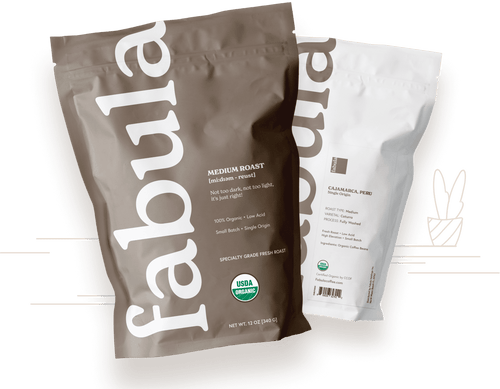
Certified organic, mold-free coffee, roasted fresh and shipped free — the concentrated version of the foods above, for the weeks when the kitchen doesn't cooperate.
Food product · not a medicine · does not replace prescribed treatment
Contains caffeine, which can raise blood pressure temporarily and affects some people more than others — worth a word with your clinician if you are managing yours.
The card about stopping medication should be on every page like this. I nearly did exactly that two years ago.
Harold M. · verified
Kept my usual treatment, changed the coffee, ate the list. Readings are steadier; I’m not claiming which part did it.
Lucia P. · verified
Nothing I could measure in six weeks. The article was still the most honest one I've read on the subject.
Derek O. · verified
Add your full citations and DOIs before publishing, and verify each one.
Last updated: 1 August 2026
This notice covers this website only — not any retailer you may be sent to.
To deliver and improve this content, measure advertising, prevent fraud, answer enquiries and meet legal obligations. We do not sell personal information.
We do not ask for and do not want your medical information. Please don't send readings or diagnoses to us by email.
You may request access, correction or deletion of your data. Contact us using the details in the Contact section.
Replace before publishing: [Legal entity], [Registered address], [Data protection contact].
Last updated: 1 August 2026
Using this site means you accept these terms.
Articles are general information and education, not medical advice, and not a substitute for consulting a qualified professional.
Product links lead to a third-party retailer whose terms govern price, delivery, warranty and returns.
Text, layout, graphics and code belong to us or our licensors.
To the fullest extent permitted by law we exclude liability for indirect or consequential loss arising from use of this site or any product referenced. Nothing here limits liability that cannot lawfully be limited.
Read before acting on anything here
This is not medical advice. The featured product is coffee, a food. Statements about it have not been evaluated by the Food and Drug Administration, and it is not intended to diagnose, treat, cure or prevent any disease, including hypertension.
Never start, stop, reduce or replace a prescribed antihypertensive because of an article. That decision belongs to your prescriber.
Speak to your doctor or pharmacist before taking concentrated beetroot, berry or lycopene extracts if you are pregnant or nursing, under 18, on nitrate medication, antihypertensives, potassium-sparing diuretics or anticoagulants, living with kidney disease, or scheduled for surgery.
Chest pain, breathlessness, sudden severe headache, visual change, weakness on one side or difficulty speaking needs emergency care immediately.
Study effects are group averages. Individual experiences quoted here are not typical and not predictive of yours.
In line with FTC 16 CFR Part 255
This page is sponsored content and contains affiliate links. If you buy through them we may receive a commission at no extra cost to you.
A commercial relationship exists between this publication and the product featured. Read the page as advertising and evaluate the product independently.
Customer statements are individual experiences, not typical results, and not a guarantee.
Study summaries describe findings about foods and compounds, not about this product.
Handled by the retailer
Orders are placed, processed, shipped and refunded by the retailer, whose live terms take precedence.
Advertised with a 30-day money-back guarantee; start a return through the retailer's order page within 30 days of delivery.
Contact the retailer within 48 hours of delivery with your order number and photographs.
We reply within two business days
Corrections and source requests: [[email protected]]
Handled by the retailer that processed your payment.
[Legal entity]
[Street address]
[City, State, ZIP]
[Country]
Last updated: 1 August 2026
Cookies keep the site working, help us understand how it's used, and measure advertising.
Browsers let you block or delete cookies. The cards on this page work either way.
How this page was written
Where a popular belief is partly right, we say so rather than manufacturing a clean reversal. "Partly true" is a legitimate answer.
We name the study type behind every claim, because a cohort association and a randomised effect are not interchangeable.
Claims that any food or drink treats or cures hypertension, suggestions to reduce prescribed medication, and testimonials presented as typical results.
[[email protected]] — substantive corrections are noted with a date.